When it comes to furnace filters, the rule of thumb for many HVAC professionals is “the cheaper the better.”
Don’t believe it? Read on…
Your furnace filter has one main job: protecting your heating and cooling equipment. Here is how the common filter types compare, and how to pick the one that fits your home.
What a Furnace Filter Actually Does
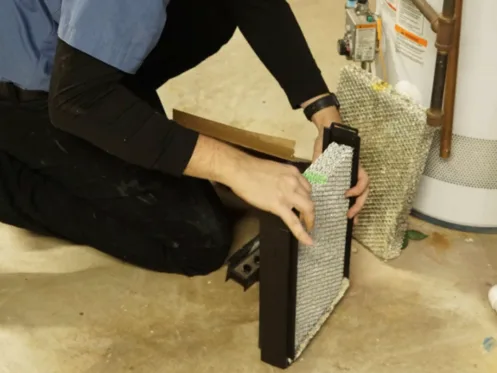
HVAC systems are not designed to improve air quality in the home, and filters are important to keep the furnace and air conditioner working properly. Cheap fiberglass filters are designed to stop dust, debris and hair from gunking up the system. While they do little to filter out allergens and other irritants, using them keeps your HVAC system clean and efficient.
Pleated Filters: Cleaner Air, More Airflow Resistance
Disposable pleated air filters are made from polyester or cotton paper. They remove smaller particles, like spores, mites and other allergens. However, the trade-off to cleaner air is that system performance drops with these filters. They can add more resistance to airflow, which makes the system more expensive to operate. Pleated filters can also cause stress on the blower motor, which impacts the refrigeration in the evaporator coil, potentially causing the coil to ice up. They are also pricier than basic fiberglass filters.
Better Ways to Clean Your Indoor Air
While pleated filters will do a better job of cleaning the air than fiberglass, there are better options to clean the air efficiently without adding stress to the system. Some examples include UV systems, electronic air cleaners and media air cleaners. If indoor air quality is your goal, talk with a technician about which option fits your home and equipment.
How Often Should You Change Your Furnace Filter?
Whether you opt for fiberglass or decide to go with pleated, the most important thing that you can do is to change the filters often. A clean filter will not only allow your furnace and A/C to operate at peak performance, thus saving you money on energy bills, but it will also prolong the life of your furnace.
For more information on how to keep your indoor air fresh and clean, and to hear more about keeping your HVAC system running efficiently, contact TR Miller!
Frequently Asked Furnace & Furnace Filter Questions:
Q: Is a cheap fiberglass furnace filter really okay to use?
A: Yes, for most systems. Fiberglass filters are designed to stop dust, debris, and hair from building up on your furnace and A/C. They do little for allergens, but they protect the equipment and let air move freely, which keeps the system clean and efficient.
Q: Do pleated filters clean the air better than fiberglass?
A: Yes. Pleated filters are made from polyester or cotton paper and catch smaller particles like spores, mites, and other allergens. The trade-off is that they add resistance to airflow. That can make the system more expensive to run and put extra strain on the blower motor. Ask a technician which filter fits your system before switching.
Q: How often should I change my furnace filter?
A: If you have a thin 1 to 2 inch filter, check it every month and replace it when it looks dirty. Thicker pleated filters often last longer than thin fiberglass ones, so follow the guidance on your filter’s packaging. A thicker 6 inch filter can typically last up to 9 months to a year! A clean filter helps your furnace and A/C run at peak performance, lowers energy bills, and can extend the life of your furnace.
Q: What can I use if I want cleaner air without stressing my furnace?
A: UV systems, electronic air cleaners, and media air cleaners clean the air without the airflow resistance of a dense pleated filter. Your furnace filter’s main job is protecting the equipment, so these options handle air quality separately. Our team can help you choose one that fits your home.
Q: Can a dirty or wrong filter damage my furnace or air conditioner?
A: It can. A clogged or overly restrictive filter can strain the blower motor. That can also affect the evaporator coil, which can ice up in some cases. If your system is running poorly, schedule a tune-up with TR Miller and we’ll check the filter and the rest of the system. You can also shop furnace filters online.
Author