

A heat pump heats and cools your home with one system. Instead of burning fuel to make heat, it moves heat: out of your home in summer, and into your home in winter. That is why a single outdoor unit and indoor unit can take the place of a separate furnace and air conditioner. TR Miller Heating, Cooling, Plumbing & Electrical installs, repairs, and maintains heat pumps for homeowners across the western Chicago suburbs, and we can help you decide whether one fits your home before you commit.
Modern heat pumps are a different product than the models many homeowners remember. Cold-climate designs are built to keep heating when outdoor temperatures drop below freezing, and variable-speed models adjust their output instead of switching fully on and off. Whether you are replacing an aging air conditioner, planning a whole-home heating upgrade, or adding comfort to a room your current system cannot reach, we will look at your home’s layout, ductwork, and electrical service before recommending anything.
If you already have a heat pump that is not keeping up, we can diagnose it, explain what we find, and give you a price before approved work begins. We have served Chicago-area homeowners since 2008.
How a Heat Pump Works
In cooling mode, a heat pump works like an air conditioner. Refrigerant absorbs heat from the air inside your home and releases it outdoors. In heating mode, a reversing valve changes the direction of the refrigerant flow, so the system pulls heat from the outdoor air and releases it inside. Because it moves heat rather than creating it, a heat pump can deliver more heating energy than the electricity it uses.
A heat pump has two main parts: an outdoor unit that holds the compressor, and an indoor unit that circulates conditioned air through your ducts or directly into a room. Many systems also include a backup heat source for the coldest days. In some homes that is electric resistance heat. In others, a heat pump is paired with a gas furnace so the system can switch to whichever fuel makes more sense at a given temperature.
Types of Heat Pump Systems
- Ducted air-source heat pumps: The most common replacement for a furnace and AC pairing. The system uses your existing ductwork, or new ductwork if the old runs need to be corrected.
- Dual-fuel (hybrid) systems: A heat pump paired with a gas furnace. The heat pump handles most of the heating season, and the furnace takes over when outdoor temperatures get low enough that it is the better choice.
- Ductless mini-split heat pumps: Wall-mounted indoor units connected to an outdoor unit by refrigerant lines, with no ductwork required. They are a good fit for additions, finished basements, garages, and homes without ducts. Learn more about ductless mini-splits.
- Single-stage, two-stage, and variable-speed models: These describe how the compressor runs. Single-stage units run at one speed, two-stage units have a low and a high setting, and variable-speed units adjust continuously for steadier temperatures and quieter operation.
We install heat pumps in several equipment tiers, from standard single-stage models to higher-efficiency two-stage and dual-compressor systems, so you can match the system to your budget and priorities.
Is a Heat Pump Right for Your Home?
A heat pump can make sense when you are replacing an air conditioner that is near the end of its service life, when you want one system for both heating and cooling, or when you are looking for a way to reduce reliance on gas. It is not the right answer for every home, and we will tell you if it is not.
Questions we work through with you:
- What is the condition of your ductwork, and is it sized for the system you are considering?
- Is your electrical panel able to support the new equipment?
- How cold does your home get on the worst winter days, and do you want a backup heat source?
- What are your current heating and cooling costs, and what are you hoping to change?
Ask us about utility and manufacturer rebates when you schedule. Availability and amounts change, so we will help you check what applies to your address and the equipment you choose.
Heat Pump Installation
A heat pump installation starts with an in-home assessment. We look at your home’s size, insulation, ductwork, and existing equipment to size the system correctly. Correct sizing matters. A system that is too large short-cycles and does a poor job of managing humidity, and one that is too small struggles on the hottest and coldest days.
What to expect:
- We assess your home and recommend system options.
- You review the options and approve a price before work begins.
- We remove the old equipment and install the new system.
- We test the system for correct operation and walk you through the controls, including any smart thermostat or air quality equipment you chose.
If you want to improve comfort at the same time, we can also discuss ductwork repairs,air quality equipment such as humidifiers, air purifiers, and UV lights, and a programmable or smart thermostat.
Heat Pump Repair
Heat pumps run all year, so they see more use than a furnace or AC alone. Call us if you notice any of these:
- The system blows cool air when it is set to heat
- Ice builds up on the outdoor unit and does not clear
- The system runs constantly without reaching the set temperature
- The system turns on and off frequently
- Unusual noises, such as grinding, rattling, or squealing
- Higher energy bills with no change in how you use the system
- The system seems stuck on backup or emergency heat
Some frost on the outdoor unit in cold weather is normal, because heat pumps run a defrost cycle. You may see steam from the unit during that cycle. If ice keeps building or the unit stays frozen, turn the system off and call for service.
Our technicians carry common parts on their vehicles so that many repairs can be completed in one visit. If a repair is not the best use of your money, we will explain why and talk through replacement options. For related services, see AC repair and furnace repair.
Heat Pump Maintenance
Because a heat pump handles both heating and cooling, routine maintenance protects it year-round. A tune-up includes cleaning the coils, checking refrigerant levels, inspecting electrical connections, testing the reversing valve and defrost operation, checking the blower and filter, and testing overall performance.
Scheduling maintenance twice a year, once before cooling season and once before heating season, is a practical approach for a system that runs in both. Between visits, you can help by changing or cleaning the filter on the schedule your system calls for, and by keeping the outdoor unit clear of leaves, grass, snow, and debris. Ask about our maintenance plans and current seasonal offers when you schedule.
Heat Pumps and Chicago Winters
Winter performance is the most common concern we hear. Cold-climate heat pumps are designed to keep heating at low outdoor temperatures, but every heat pump gives off less heat as it gets colder. That is why many Chicago-area installations include backup heat or a dual-fuel setup. We will explain what that looks like for your home and what it means for your energy use, so you know what to expect before you choose.
Your Local Heating and Cooling Team
TR Miller is a family-owned home services company serving the Greater Chicago area since 2008. One team handles heating, cooling, plumbing, and electrical work, so when a heat pump project involves ductwork, a panel upgrade, or a drain for condensate, you are not coordinating separate contractors. We explain your options, provide pricing before approved work begins, and make sure you understand what we found and why we recommend it. Read what customers say in our reviews.
Ready to talk about a heat pump for your home? Contact us or call (815) 912-0028 to schedule a consultation.
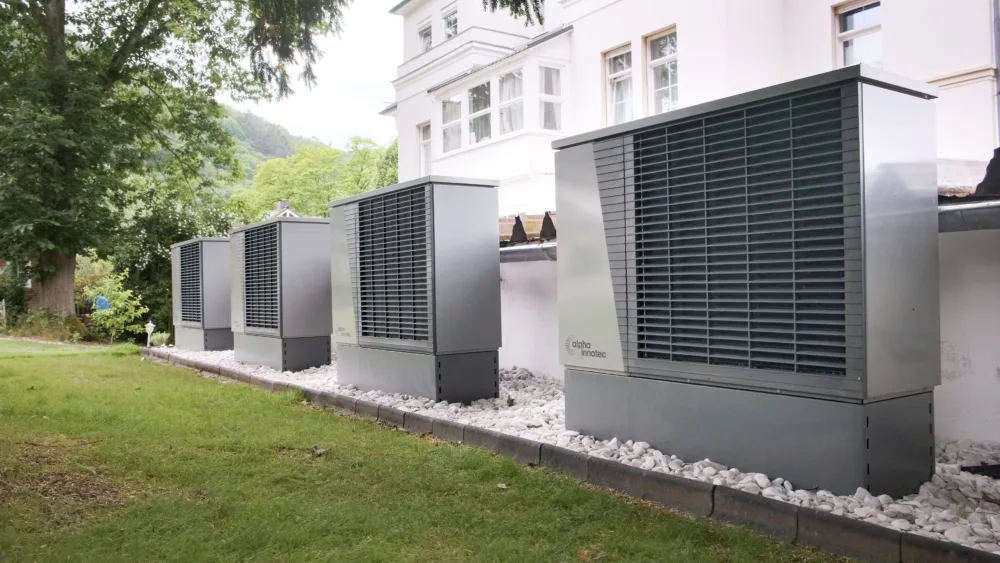
If you need heat pump installation for your home, reach out to our team today. At TR Miller Heating, Cooling, Plumbing & Electrical, we’re here for you no matter how large or small your need is.
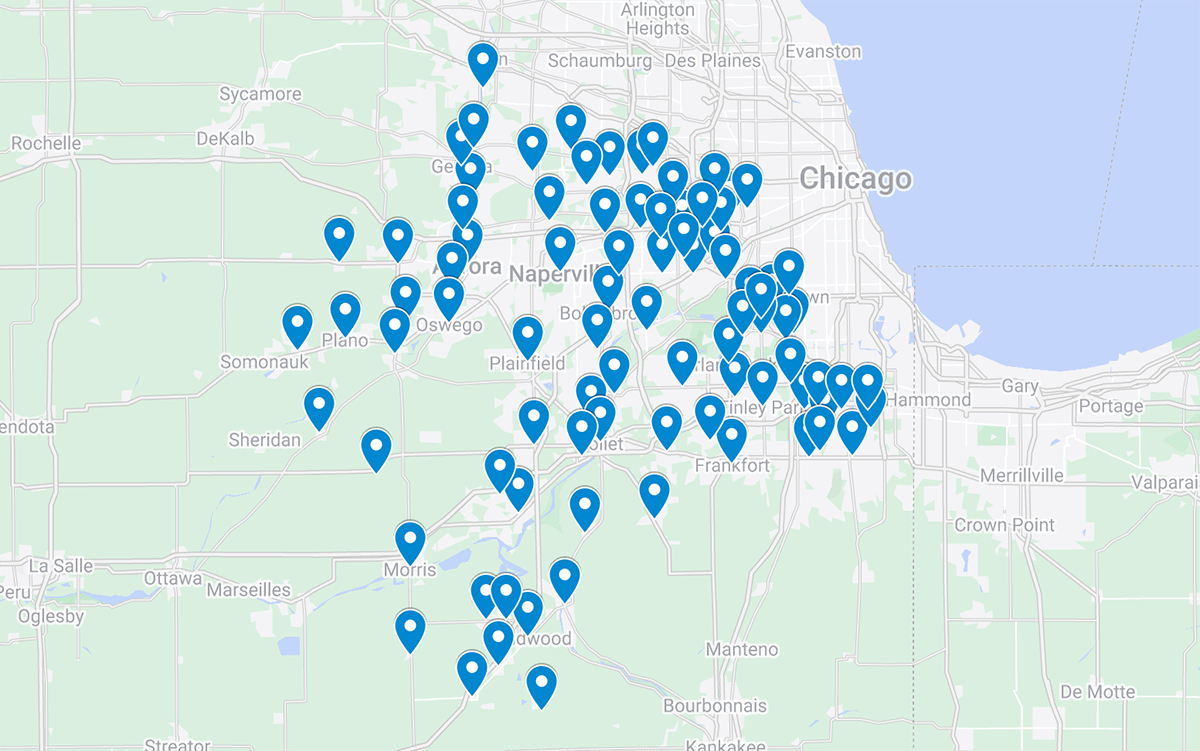
Providing the best heat pump services to homeowners in the Greater Chicago area. Proudly serving these cities and surrounding areas:

Frequently Asked Questions
How does a heat pump heat my home when it is cold outside?
A heat pump moves heat from the outdoor air into your home using a refrigerant cycle. Even cold air contains heat that the system can extract. Modern cold-climate models are built to keep heating below freezing, though they produce less heat as temperatures drop. Many systems add a backup heat source for the coldest days.
Do heat pumps work in Chicago winters?
Yes, with the right equipment and setup. Cold-climate heat pumps are designed for low temperatures, and many Chicago-area homes pair a heat pump with backup electric heat or a gas furnace. We will help you choose a setup that fits your home and your comfort expectations.
Can a heat pump replace my furnace and air conditioner?
In many homes, yes. A heat pump can handle both heating and cooling. Whether it fully replaces your furnace depends on your home, your ductwork, and how you want the system to perform on the coldest days. We will assess your home and discuss whether a heat pump alone or a dual-fuel system makes more sense.
What is the difference between a heat pump and an air conditioner?
An air conditioner only cools. A heat pump cools the same way, but it can also reverse its operation to heat your home. A heat pump uses a reversing valve to change the direction of refrigerant flow.
What is a dual-fuel heat pump system?
A dual-fuel system pairs a heat pump with a gas furnace. The heat pump provides most of the heating, and the furnace takes over when outdoor temperatures drop low enough that it is the better option. It can be a good fit for homes that already have a gas furnace and ductwork.
Do I need ductwork for a heat pump?
Not always. Ducted heat pumps use your existing ductwork or new ducts. Ductless mini-split heat pumps need no ducts and are a good fit for additions, basements, garages, and homes without ductwork.
How often should a heat pump be serviced?
Because it runs for both heating and cooling, a heat pump benefits from maintenance twice a year, once before cooling season and once before heating season. At a minimum, schedule one tune-up each year.
How long does a heat pump last?
A well-maintained heat pump often lasts around 15 years, though the actual lifespan depends on the equipment, installation quality, and how well it is maintained. Regular maintenance helps extend its life.
Why is there ice or steam coming from my outdoor heat pump unit?
Heat pumps run a defrost cycle in cold weather, so some frost, melting ice, and steam are normal. If ice keeps building up or the unit stays frozen, turn the system off and call for service.
How much does a heat pump cost?
Cost depends on the type of system, its efficiency, the size of your home, and any ductwork or electrical work needed. We provide pricing before approved work begins, so you can compare options before you decide.
Does TR Miller repair heat pumps it did not install?
We service many major equipment brands. Share the make and model when you call so our team can confirm availability.