Sewer Replacement Services for Chicago Suburbs
Are your drains backed up? Can you smell sewage around your property? This may be a sign that your sewer line needs to be repaired or replaced. A burst or cracked sewer line is not all that rare or uncommon, especially for homeowners living throughout the suburbs of Chicago. A backed up sewer is the last thing you want to be dealing with.
In most cases, it’s best to hire a professional plumbing company to come out and check the problem. They’ll need to first determine if there’s an issue with your main sewer line. Based on what’s wrong they’ll need to recommend repairing or replacing the sewer line. This is why it’s important who you choose to perform this service.
You’ll want an expert like the plumbers at TR Miller to come out and find the exact location of your sewer line leak. We’ll run a camera inspection for your main line and we’ll advise you on next steps based on our discovery.
Common Sewer Line Issues
It is important to be aware of the common warning signs of problems with your sewer lines, including:
Top Sewer Line Issues
- Frequent or multiple drain or toilet backups
- Smell of mold, mildew, or sewage in your yard
- Unexplained soggy patches or puddles
- Heightened pest activity
If you notice any of these, don’t hesitate to call your plumber. They can inspect your sewer lines and let you know whether there is a problem. It is better to check for an issue that isn’t there than it is to ignore a potential problem, which can increase the risk of your home sustaining costly water damage.
Why You Need to Act Fast When You Have Sewer Line Issues
It’s important to call a professional quickly at the first signs of an issue with your sewer line. Waiting to repair it can leave you with a costly mess and cause even more stress. The longer a sewer line goes unrepaired, it can increase the risk of having sewage get into your house. It can also force you to shut down your plumbing system, leaving your family without the use of a toilet, or water.
Sewer Line Repairs vs. Sewer Line Replacements
While your sewer line should have a long life expectancy, certain factors can cause it to malfunction sooner than expected. This can include installation errors, poor soil conditions, tree roots infiltrating the line, and flushing the wrong items down the toilet.
If you start to notice an increase in clogged or slow drains, it could signal you need to install a new line. Ask our experts at TR Miller Heating, Cooling, Plumbing & Electrical to inspect the line and help you determine the best course of action.
Before Replacing Your Sewer Line
Your home has two plumbing systems that work together to supply water to your home and to drain waste away from your home. We always recommend getting a camera inspection to determine the source and severity of the problem. A camera inspection will ensure that our plumbers are providing the right course of action to get your home comfortable again.
Signs You Need Sewer Replacement Service
The most common problems that occur for homeowners that need sewer replacement services are:
- Frequent clogs in your plumbing system
- Strong sewer smell / foul odors
- Pooling water in your yard
- Slow drains
- Extra green patches in your yard
- Wet patches on your lawn
- Mold and/or mildew on the ceilings, walls, or floors of your home
If you’re experiencing any of these issues, call our expert plumbers right away and we’ll come out to help you fix the problem.

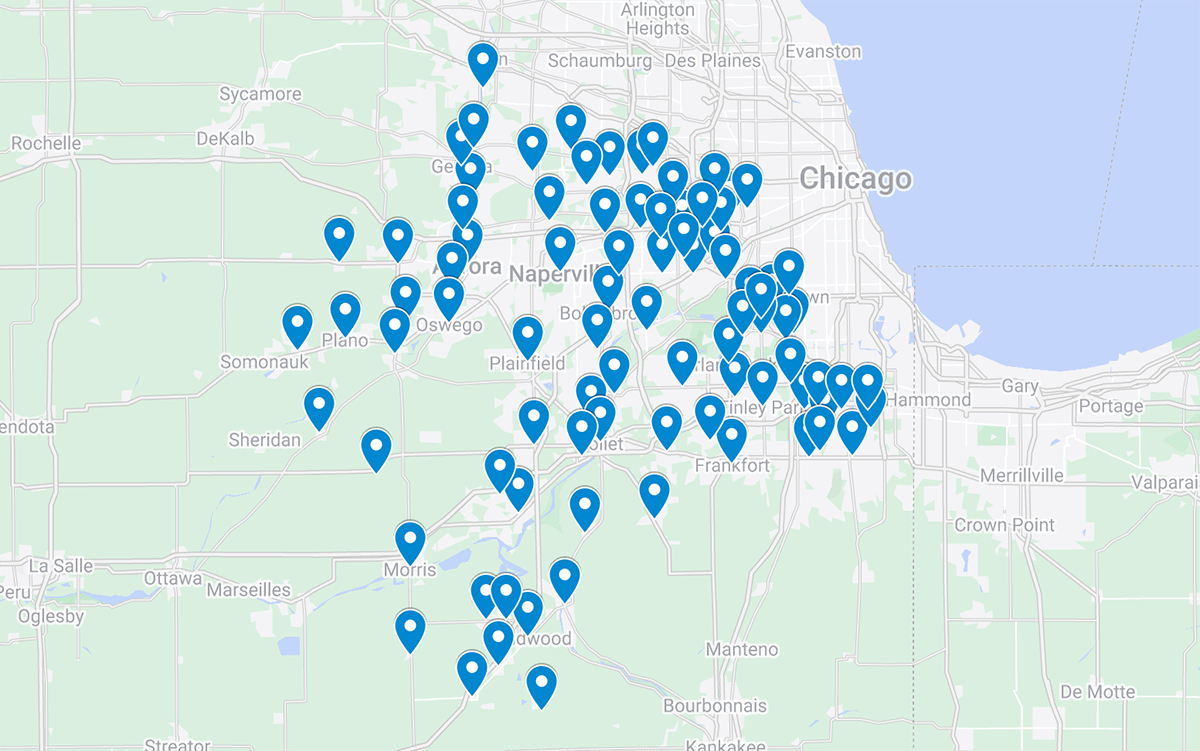
Providing the best sewer replacement services to homeowners in the Greater Chicago area. Proudly serving these cities and surrounding areas:
Frequently Asked Questions
Q: How do I know if my sewer line needs to be replaced?
A: Common warning signs include frequent drain or toilet backups, slow drains throughout your home, strong sewage odors, soggy or unusually green areas in your yard, pooling water, and recurring sewer problems. These symptoms can indicate a damaged, collapsed, or deteriorating sewer line. A professional sewer camera inspection can help determine the location and severity of the problem and whether repair or replacement is the appropriate solution.
Q: What causes a sewer line to fail or need replacement?
A: Sewer lines can deteriorate for several reasons, including age, tree root intrusion, poor soil conditions, improper installation, shifting or settling ground, and physical damage to the pipe. Older sewer lines may be particularly susceptible to cracking, corrosion, root intrusion, or collapse. A professional inspection can identify the underlying cause and help determine the best repair or replacement option.
Q: Do I need sewer line replacement, or can my sewer line be repaired?
A: Not every damaged sewer line needs to be completely replaced. Minor cracks, localized damage, or certain blockages may be addressed with a repair. However, extensive deterioration, repeated failures, collapsed sections, severe root intrusion, or widespread pipe damage may make replacement a better long-term solution. TR Miller can inspect your sewer line and recommend the most appropriate option based on its condition.
Q: What happens during a sewer camera inspection?
A: During a sewer camera inspection, a specialized camera is inserted into the sewer line to provide a visual view of the inside of the pipe. This allows a plumber to identify problems such as cracks, blockages, tree roots, collapsed sections, or other damage. The inspection helps determine the location and severity of the issue before recommending sewer repair or replacement.
Q: Can tree roots cause enough damage to require sewer replacement?
A: Yes. Tree roots can enter sewer lines through small cracks or joints while searching for water and nutrients. As the roots grow, they can create recurring blockages and eventually damage the pipe itself. If root intrusion has caused significant structural damage or repeated sewer problems, replacing the affected section of the sewer line may provide a more permanent solution.
Q: What should I do if my sewer line is backing up?
A: If your main sewer line is backing up, stop using sinks, toilets, showers, and other plumbing fixtures to prevent additional wastewater from entering the system. If sewage has entered your home, avoid contact with contaminated water and clean and disinfect affected areas appropriately. Contact a professional plumber as soon as possible so the sewer line can be inspected and the blockage or underlying damage can be addressed.
Q: How long does a residential sewer line typically last?
A: The lifespan of a residential sewer line depends on factors such as the pipe material, installation quality, soil conditions, tree-root activity, and maintenance. Older sewer lines may be more vulnerable to cracking, root intrusion, corrosion, and collapse. If your home has an aging sewer line or you are experiencing recurring problems, a professional inspection can help determine its current condition.
Q: Can sewer line replacement prevent recurring backups?
A: In many cases, replacing a severely damaged or deteriorated sewer line can address the underlying cause of recurring backups. However, the appropriate solution depends on what is causing the problem. A camera inspection can determine whether recurring backups are caused by roots, buildup, structural damage, a collapsed pipe, or another issue. Addressing the underlying problem rather than repeatedly clearing the blockage can provide a more reliable long-term solution.