Are you looking for a reputable heating contractor who services and installs electric and gas furnaces in the Greater Chicago area? If it’s time to replace your furnace due to normal age and wear and tear, or if you need emergency furnace repair, you can count on our expert HVAC company to provide the best solutions to meet your home’s heating needs.
During the Midwest winter months, having a properly functioning furnace is extremely important, especially when the temperatures drop below zero.
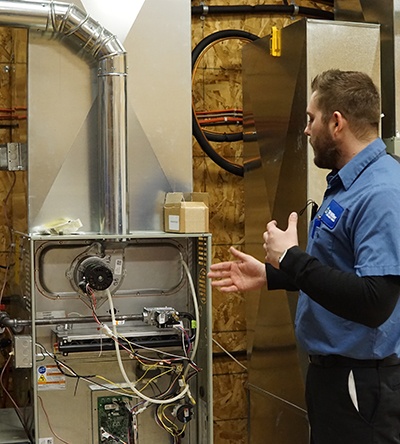
Our technicians from TR Miller Heating, Cooling, Plumbing & Electrical have the skills, training and experience to accurately troubleshoot everything from clogged air filters to damaged pilot lights, and they’ll get your furnace installed or repaired as soon as possible!
- Burning odors coming from furnace
- Inadequate heat
- Furnace won’t turn on
- Inaccurate thermostat readings
Expert Gas and Electric Furnace Services
Both gas and electric furnaces work to heat your space, with the main difference being that a gas furnace is powered by natural gas and an electric furnace provide heat via heated coils.
Some people opt for electric furnaces because they don’t produce emissions and they’re easy to install, while others prefer gas because these systems are more energy-efficient. Experienced HVAC technicians work with both types of systems, and they’re happy to assist with repairs, installations and replacements.
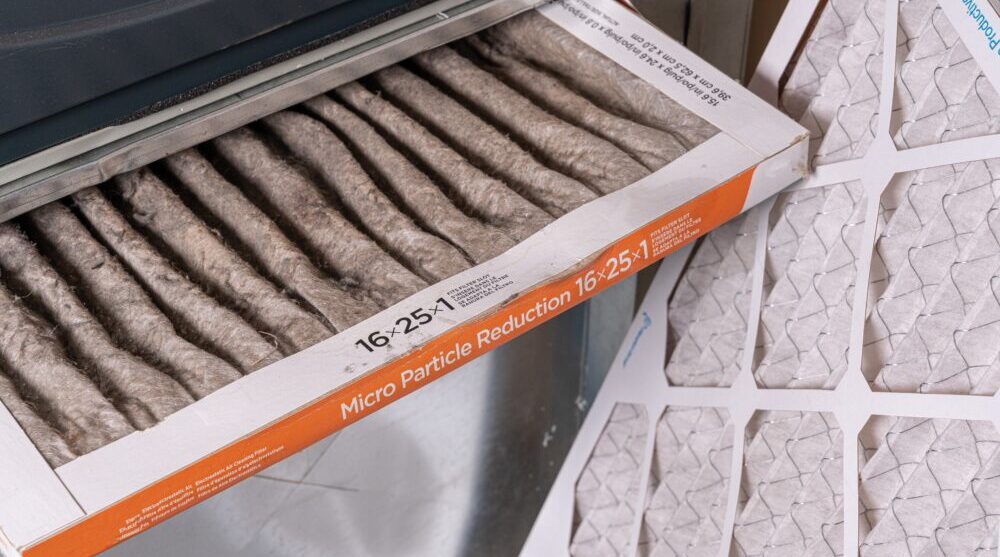
If your electric furnace isn’t heating your space as it should, it could be due loose wiring, dirty fuses or air filters or the transformer may be failing. If your gas furnace is acting up, it may also have dirty or clogged air filters or there may be an issue with the pilot light or another internal component.
Ensuring the filters on gas furnaces and electric furnaces are clean and replaced periodically is one of the easiest – and most important – steps in maintaining your system. Dirty filters can cause your furnace to lag, and it will have to work harder to heat your home.
In addition to inadequate heat production, an overworked furnace can lead to higher energy costs. By scheduling service with a reliable HVAC company at the first sign of a potential problem, you’ll have the peace of mind in knowing that your home will stay warm and comfortable when you need it the most!
PLATINUM 95 FURNACE
Ultimate comfort with superior efficiency and Acculink Connectivity.
PLATINUM 80 FURNACE
Incredible two-stage home comfort with Acculink Connectivity.
GOLD 95V FURNACE
Ultimate heating efficiency meets superior cozy comfort.
GOLD 95 FURNACE
Two-Stage heating to keep you comfortable.
SILVER 95H FURNACE
Quiet affordable heating for your home with a step up in efficiency.
GOLD 80V FURNACE
Quiet, efficient heat to keep your entire home cozy.
GOLD 80 FURNACE
Gently provides the right amount of cozy comfort.
SILVER 95 FURNACE
Single-stage heating that makes every dollar count.
AMERICAN STANDARD 92
Reliable, affordable heating and energy efficient.
SILVER 80H FURNACE
A quiet and efficient unit for reliable, effective heating.
All new residential furnaces come with a 10-year manufacture parts warranty. Call today about qualifying rebates.
Your Trusted Gas and Electric Furnaces Installation and Repair Team
Since 2008, TR Miller Heating, Cooling, Plumbing & Electrical has provided high-quality heating repair and installation services to satisfied customers throughout Greater Chicago. Whether your furnace is in need of a seasonal maintenance tune-up or urgent repairs during a cold snap, we can help!
Our highly trained and experienced technicians service and install most major gas and electric furnace brands, and they’re experts at troubleshooting even the most unique furnace issues. As a family-owned and operated business, treating our customers like family is at the top of our list.
When you schedule a service call with us, you can count on our technicians to arrive in a timely fashion and provide the best solutions to meet your needs and budget. Plus, we offer service memberships, online specials and financing on approved credit to help you save on overall costs.
For the best electric and gas furnace services, contact TR Miller Heating, Cooling, Plumbing & Electrical today!

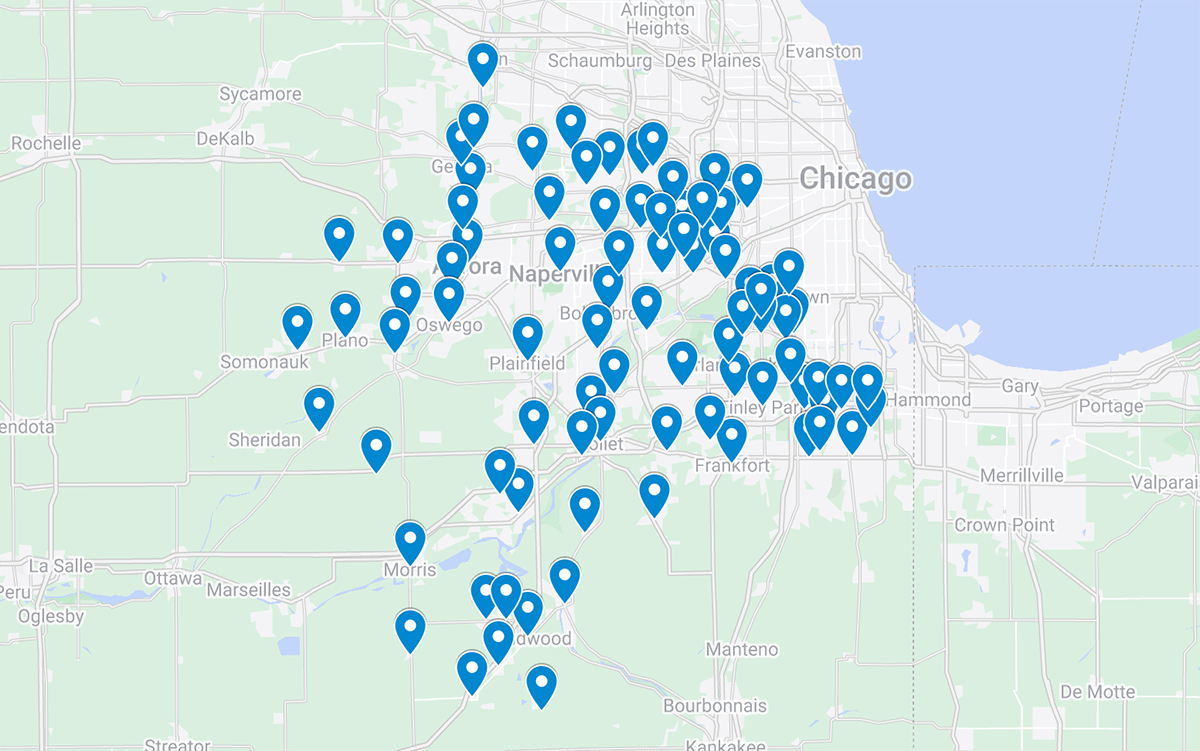
Providing the best furnace repair, installation, and replacement services to homeowners in the Greater Chicago area. Proudly serving these cities and surrounding areas:
Frequently Asked Questions
Q: What is the difference between a gas furnace and an electric furnace?
A: Gas furnaces burn natural gas to produce heat, which is distributed through your home via a forced-air blower system. Electric furnaces use electric resistance heating elements — similar in concept to a large space heater — to warm air that is then distributed through the same ductwork. Gas furnaces typically heat air faster and to higher temperatures, making them well-suited for the cold winters of the western and southern Chicago suburbs. Electric furnaces have no combustion components, no heat exchanger, and no risk of carbon monoxide — making them a simpler system mechanically. The right choice for your home depends on whether you have existing natural gas service, your current ductwork configuration, and your long-term energy cost priorities. TR Miller’s technicians can assess your home and advise on which system is the better fit before any decision is made.
Q: How much does a gas or electric furnace cost?
A: Furnace cost varies based on the system type, efficiency rating, the size of your home, whether ductwork modifications are needed, and the complexity of the installation. Gas furnaces typically have a higher upfront equipment cost than comparable electric systems but lower operating costs in most Chicago-area scenarios given current natural gas pricing. High-efficiency gas furnaces — rated at 90% AFUE or above — carry a premium upfront cost but deliver meaningful energy savings over the life of the system. Electric furnaces are generally less expensive to purchase and install but cost more to operate on a monthly basis in most Illinois utility markets. TR Miller provides upfront flat-rate pricing on every furnace installation in the western and southern Chicago suburbs — you receive a complete installed price before any work begins, with no hidden fees or after-the-fact additions.
Q: What is AFUE and why does it matter when choosing a furnace?
A: AFUE stands for Annual Fuel Utilization Efficiency — the percentage of fuel a furnace converts into usable heat over the course of a year. A 95% AFUE gas furnace converts 95 cents of every dollar of natural gas into heat, losing only 5 cents to exhaust. Standard efficiency gas furnaces typically run 80% AFUE. High-efficiency models reach 96-98% AFUE. The higher the AFUE rating, the lower your monthly heating costs — though higher-efficiency systems carry a higher upfront equipment cost. For homeowners in the western and southern Chicago suburbs where furnaces run for months at a time during Illinois winters, the long-term energy savings from a high-efficiency system frequently offset the premium cost within a reasonable timeframe. TR Miller’s technicians help homeowners evaluate the payback period on efficiency upgrades before making a recommendation.
Q: What are the signs my gas or electric furnace needs repair?
A: Common signs your furnace needs professional repair include: the system is not producing enough heat or struggling to reach the set temperature; you hear unusual noises during operation — banging, squealing, rattling, or rumbling; the furnace is short-cycling (turning on and off frequently without completing a full heating cycle); your energy bills have increased without a change in usage or outdoor temperature; there are unusual smells from the vents — particularly a burning smell on first startup or a persistent odor during operation; the pilot light is yellow or orange instead of blue on a gas furnace; or your carbon monoxide detector has activated. If you are experiencing any of these signs in the western or southern Chicago suburbs, call TR Miller at (815) 912-0028. TruCare and TruCare+ members receive same-day furnace repair service when calling before noon.
Q: What does a professional furnace inspection include?
A: A TR Miller furnace inspection evaluates the full condition of your heating system — covering heat exchanger integrity for gas furnaces, ignition component testing, flue and venting assessment, airflow measurement, thermostat calibration verification, electrical component inspection, carbon monoxide safety testing using a combustion analyzer, and overall system performance evaluation. For gas furnaces, heat exchanger inspection is the most safety-critical component of the process — a cracked heat exchanger can allow carbon monoxide to enter your home’s air supply without triggering a standard household CO detector. TR Miller recommends a professional furnace inspection annually before the heating season begins, when purchasing or selling a home, or any time your furnace is producing unusual symptoms. Our local technicians provide a clear written summary of findings with upfront pricing on any recommended repairs.
Q: When should I schedule a furnace tune-up and what does it include?
A: The best time to schedule a furnace tune-up in the western and southern Chicago suburbs is August or September — before heating season demand peaks in October and November. Early scheduling ensures your furnace is inspected and serviced before the first cold snap, and gives time to address any issues identified during the tune-up before the system is needed most. A TR Miller furnace tune-up includes filter inspection and replacement, thermostat calibration, burner check, heat exchanger inspection for cracks or damage, pilot light and ignitor testing, carbon monoxide safety check, blower component inspection, and ductwork assessment. For electric furnaces, the tune-up process focuses on heating element condition, electrical connections, blower motor performance, and thermostat accuracy. TruCare and TruCare+ members receive priority scheduling for annual furnace tune-up visits.
Q: How can I extend the life of my gas or electric furnace?
A: The most effective furnace maintenance steps that extend system life include: replacing the air filter every 1-3 months depending on household size and air quality conditions — a clogged filter forces the system to work harder and accelerates wear on the blower motor and heat exchanger; scheduling annual professional furnace tune-up service before heating season begins; keeping supply and return vents clean and unobstructed throughout the home; ensuring the area around the furnace is clear of storage and debris; and for gas furnaces, having the flue and venting system inspected annually to confirm exhaust gases are safely exiting the home. A well-maintained gas or electric furnace regularly reaches 18-20 years of service life. A neglected system frequently requires replacement at 12-15 years due to accelerated component wear that consistent annual maintenance would have caught and corrected. TR Miller offers heating maintenance plans that include an annual tune-up so Chicagoland homeowners never have to remember to schedule it.
Q: How do I know if I should repair or replace my furnace?
A: Several factors point toward furnace replacement over continued repair: your system is more than 15-20 years old; repair costs on the current issue exceed 50% of the cost of a new comparable system; you have needed multiple repairs within the past two seasons; energy bills have risen significantly without a change in usage — indicating declining system efficiency; the heat exchanger on a gas furnace is confirmed cracked, which is a safety concern that warrants immediate replacement rather than repair; or the system uses components that are difficult or expensive to source due to age. TR Miller’s professional technicians provide honest repair vs. replacement assessments for homeowners across the western and southern Chicago suburbs — presenting the economics of both options with upfront pricing so you can make an informed decision without pressure. We do not recommend replacement when a repair is the genuinely right call.
Q: Is a gas furnace safe and how does TR Miller check for carbon monoxide risks?
A: Gas furnaces are safe when properly installed, maintained, and inspected annually — but they do involve combustion, which means carbon monoxide risk is a genuine safety consideration that TR Miller takes seriously on every service call. Carbon monoxide is colorless and odorless, and a cracked heat exchanger can produce dangerous CO concentrations in a home’s air supply before household detectors reach their trigger threshold. TR Miller technicians use professional-grade digital combustion analyzers on every gas furnace service call — measuring CO levels in flue gases and in the air supply leaving the furnace directly. This goes beyond what a standard residential CO detector can measure and allows TR Miller to identify dangerous combustion conditions at the source before they reach harmful concentrations. Any confirmed CO presence in the supply air is treated as an immediate safety concern that is fully investigated before the system is returned to service.
Q: What are the advantages of an electric furnace and when does one make sense?
A: Electric furnaces offer several genuine advantages over gas systems in specific situations. They have no combustion components — no heat exchanger, no flue, no carbon monoxide risk — which makes them mechanically simpler and eliminates the combustion safety considerations associated with gas furnaces. Electric furnaces are also a practical option for homes without existing natural gas service, where running a new gas line would add significant cost to a furnace installation. They operate quietly, have lower upfront equipment costs than comparable gas systems, and can achieve 100% efficiency in converting electricity to heat since there are no combustion byproduct losses. The primary trade-off is operating cost — electricity is typically more expensive per BTU than natural gas in the Illinois market, meaning monthly heating costs for an electric furnace are usually higher than for a gas system in the same home. For homeowners moving toward home electrification, pairing an electric furnace with solar or a heat pump can offset this cost difference meaningfully. TR Miller installs and services both gas and electric forced-air furnace systems throughout the western and southern Chicago suburbs.