
Power surges can cause damage to appliances, such as computers, in your suburban Chicago home and can even cause fires or damage to components of your electrical system. That’s why it’s important to have proper surge protection installed in your home.
Our professional electrical team at TR Miller can assess the surge protection needs of your home and install surge protectors to keep your home and family safe.
What Are Surge Protectors?
Surge protectors are devices that limit the voltage that reaches connected devices by diverting the excess voltage to the ground wire. This protects your electronic devices from power surges that can cause damage.
Causes of Power Surges
Power surges can have several causes.
- Lightning
- Power grid fluctuations
- Too many devices connected to a circuit
- Faulty or old wiring
- Damage to the electrical system
- Cycling of large appliances
Types of Surge Protectors
Three main types of surge protectors can provide protection.
- Power strips with surge protection
- Surge protected outlets
- Whole house surge protectors
Whole House Surge Protection Installation
The best way to protect your home from power surges is with a whole house surge protector. This is a device that is installed in your electric panel and connected to a dedicated circuit breaker. The process of installing the surge protector is complex and should not be a DIY project. It requires specific expertise and skill, so you’ll need to bring in a professional electrician.
TR Miller is Your Trusted Surge Protection Partner
The professional team of electricians at TR Miller Heating, Cooling, Plumbing, and Electrical is well trained and experienced and has up to date knowledge of surge protectors. We also offer comprehensive electric panel repair and installation services and are a one-stop shop for all your electrical needs.
We provide transparent pricing, with no surprises, and we always keep your needs and budget in mind. We’ve been a trusted home servicing partner to suburban Chicago residents since 2008. We are a family-owned company, and we consider our customers our extended family. We are here to serve you, with your safety and comfort always coming first.
Give us a call today!

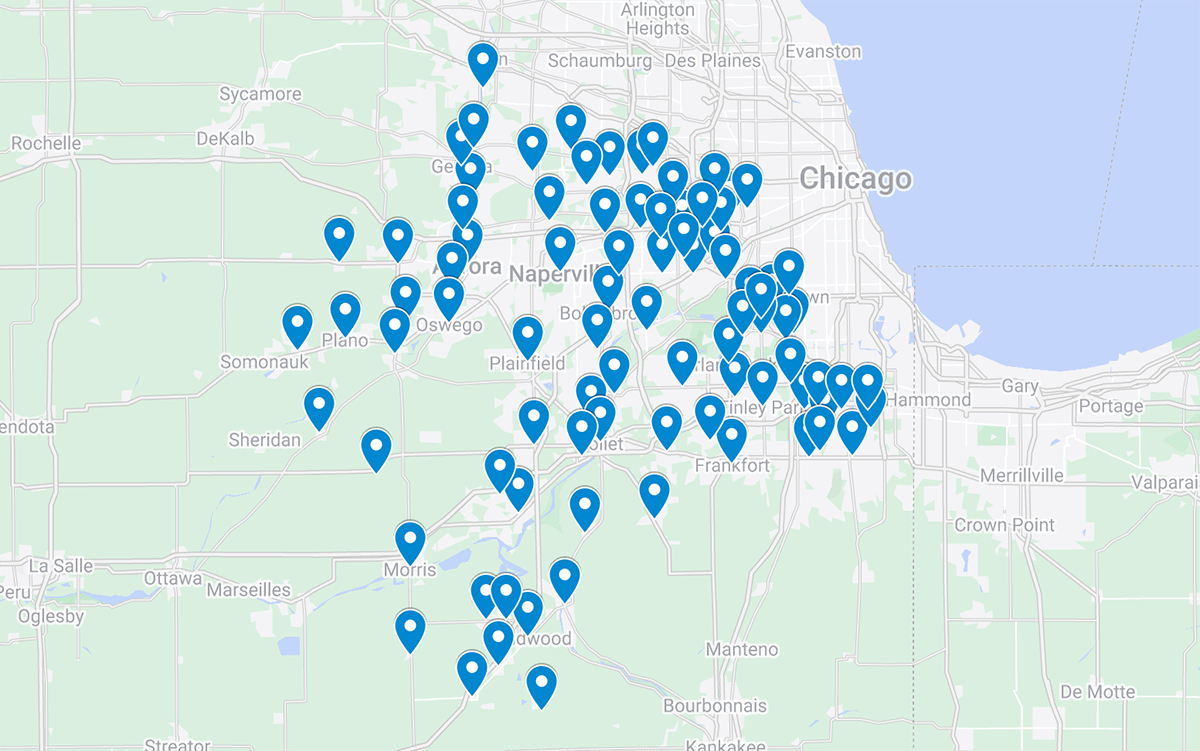
Providing the best electric services to homeowners in the Greater Chicago area. Proudly serving these cities and surrounding areas:
Frequently Asked Questions
Q: What does a whole house surge protector actually do?
A: A whole house surge protector installs directly at your electrical panel and monitors the power entering your home at every circuit simultaneously. When it detects a voltage spike above safe levels, it diverts the excess energy away from your home’s wiring and connected devices before it can cause damage. This is different from a plug-in surge protector, which only protects the specific devices plugged into it. A whole house system protects your HVAC equipment, kitchen appliances, water heater, and every outlet in the house at once, all from a single point of installation.
Q: Do I still need plug-in surge protectors if I have whole house protection installed?
A: Many electricians recommend using both together for layered protection, particularly for sensitive or expensive electronics like computers, televisions, and home theater equipment. A whole house surge protector is designed to catch large surge events, such as those caused by lightning strikes or utility grid switching, before they enter your home’s wiring at all. Plug-in surge protectors add a second layer of defense for smaller, more localized voltage fluctuations that can still occur within your home’s internal wiring. Think of the whole house system as your primary line of defense and plug-in protectors as targeted backup for your most valuable individual devices.
Q: What causes a power surge in a residential home?
A: Power surges come from both external and internal sources. External causes include lightning strikes, either direct hits or nearby strikes that travel through the ground and into utility lines, as well as power grid switching events when your utility company redistributes electrical load across the grid. Internal causes are actually more common than most homeowners realize. Large appliances like air conditioners, refrigerators, and well pumps create small voltage spikes every time their motors cycle on and off, and over time these smaller surges can degrade sensitive electronics even without a single dramatic event.
Q: How much damage can a power surge actually cause?
A: The range is significant. A minor surge might cause no visible symptoms while still shortening the lifespan of electronics over time through repeated small stress events. A moderate surge can damage or destroy individual devices like a refrigerator control board, a garage door opener, or a home office computer. A major surge event, such as a direct or near lightning strike, can damage multiple appliances and electronics throughout the home simultaneously, and in some cases can create a fire risk at the electrical panel itself. Given how much modern households rely on electronics, smart home devices, and appliances with sensitive electronic controls, the potential financial exposure from an unprotected home is often much higher than homeowners expect.
Q: Where does a whole house surge protector get installed?
A: A whole house surge protector is installed directly at your home’s main electrical panel by a professional electrician. The installation involves connecting the surge protection device to the panel so it can monitor and intercept incoming power before it distributes to individual circuits throughout the home. Because this work involves your home’s main electrical service, it should always be performed by a licensed electrician rather than attempted as a DIY project, and it typically requires a permit depending on your local code requirements.
Q: How long does whole house surge protector installation take?
A: For most homes, installation is completed in a single visit, typically within one to two hours. The exact time depends on your panel’s configuration and whether any additional work, such as clearing space at the panel or addressing an outdated grounding connection, is needed to complete the installation properly. Because the work is performed at your main panel, your electrician will need to briefly shut off power to the home during the installation, but this interruption is generally short.
Q: Will a whole house surge protector increase my homeowner’s insurance eligibility or lower my premium?
A: Some insurance carriers view whole house surge protection favorably as a risk-reduction measure, since it reduces the likelihood of a claim related to electrical or appliance damage from a surge event. Whether this translates into a specific discount or eligibility benefit varies by carrier and policy, so it is worth asking your insurance provider directly whether they offer any recognition for homes with documented whole house surge protection installed. Even without a direct premium impact, the protection itself reduces your out-of-pocket risk for the types of damage that would otherwise require a claim in the first place.
Q: How do I know if my home already has some form of surge protection, or if I need it installed?
A: Many homes have no surge protection beyond whatever is built into individual plug-in power strips, which is a common misconception among homeowners who assume their electrical system already includes this protection. A licensed electrician can inspect your panel during a routine electrical safety inspection and tell you definitively whether whole house surge protection is already in place. If your home has experienced repeated issues with electronics failing prematurely, appliances behaving erratically, or you live in an area with frequent lightning activity or utility grid instability, that is a strong signal that whole house surge protection is worth prioritizing if it is not already installed.