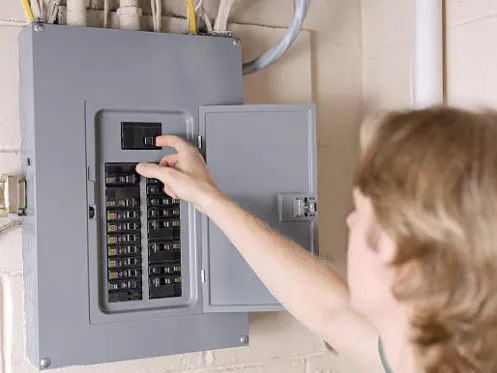
A circuit breaker that trips occasionally isn’t always cause for alarm. In fact, it’s doing exactly what it was designed to do—protect your home’s electrical system from overheating, overloaded circuits, and potential fire hazards. However, if you’re constantly resetting the same breaker or experiencing repeated power outages in specific areas of your home, it’s time to investigate the underlying cause.
For homeowners throughout the Chicago western suburbs, understanding why a breaker keeps tripping can help prevent costly electrical damage and, more importantly, keep your family safe.
What Does a Circuit Breaker Do?
Your home’s electrical panel contains circuit breakers that monitor the amount of electricity flowing through each circuit. If the current exceeds the breaker’s safe operating limit, it automatically shuts off power to prevent wires from overheating.
Think of a breaker as your home’s built-in safety switch. While it may be frustrating when it trips, it’s often preventing a much more serious problem.
Common Reasons a Circuit Breaker Keeps Tripping
1. Circuit Overload
One of the most common reasons for a tripped breaker is simply plugging too many high-powered appliances into the same circuit. For example, running a microwave, coffee maker, and toaster oven on the same kitchen circuit may exceed its capacity.
Common overloads include:
- Space heaters
- Portable air conditioners
- Hair dryers
- Microwaves
- Air fryers
- Vacuum cleaners
If unplugging one appliance prevents the breaker from tripping again, you’ve likely identified an overloaded circuit.
2. Short Circuits
A short circuit occurs when a hot wire touches another wire or a grounded metal component. This creates a sudden surge of electricity, causing the breaker to trip immediately.
Signs of a short circuit may include:
- Burn marks around outlets
- A burning smell
- Sparks
- Blackened receptacles
- Breakers that trip instantly
Because short circuits present a significant fire hazard, they should always be inspected by a licensed electrician.
3. Ground Faults
Ground faults are similar to short circuits but occur when electricity escapes its intended path and flows into the ground.
These are especially common in:
- Bathrooms
- Kitchens
- Garages
- Basements
- Outdoor outlets
Ground Fault Circuit Interrupter (GFCI) outlets are specifically designed to detect these conditions and disconnect power within milliseconds.
4. Aging Electrical Panels
Many older homes throughout Illinois were built long before today’s electrical demands.
Years ago, homeowners weren’t charging multiple devices, working from home, or running smart home technology alongside modern appliances. If your electrical panel is decades old, it may struggle to safely distribute power throughout your home.
Common signs include:
- Frequently tripping breakers
- Flickering lights
- Warm electrical panel
- Buzzing sounds
- Limited breaker space
5. Faulty Appliances
Sometimes the problem isn’t your home’s wiring—it’s the appliance itself. Damaged cords or internal electrical failures can repeatedly trip a breaker every time the appliance is plugged in. Try unplugging the suspected appliance and see whether the issue continues.
Should You Keep Resetting the Breaker?
Resetting a breaker once after an isolated overload is generally acceptable. However, if the same breaker trips repeatedly, avoid continually resetting it. Repeated trips indicate an unresolved electrical issue that could damage wiring or create a fire hazard.
When Should You Call an Electrician?
You should contact a professional electrician if:
- The same breaker trips repeatedly.
- You smell burning near outlets or the electrical panel.
- Lights flicker throughout the home.
- Outlets feel warm to the touch.
- You hear buzzing from the electrical panel.
- Breakers won’t stay reset.
- You recently added new appliances or remodeled your home.
An experienced electrician can safely diagnose the problem and recommend the appropriate repair or upgrade.
Can a Breaker Simply Wear Out?
Yes. Like any mechanical device, circuit breakers can wear out over time after years of operation. A failing breaker may trip too easily—or fail to trip when it should. Replacing a faulty breaker is a job that should be handled by a qualified electrician to ensure the replacement matches your electrical system and complies with local electrical codes.
Preventing Future Electrical Problems
Routine electrical maintenance can help reduce the likelihood of unexpected breaker trips. Homeowners can improve electrical safety by:
- Avoiding overloaded outlets
- Using dedicated circuits for large appliances
- Replacing damaged extension cords
- Scheduling electrical inspections
- Upgrading outdated electrical panels when necessary
Proactive maintenance not only improves reliability but also helps protect your home and family.
Trust TR Miller for Residential Electrical Services
Whether you’re dealing with a constantly tripping breaker, flickering lights, or you’re considering an electrical panel upgrade, TR Miller Heating, Cooling, Plumbing & Electrical provides reliable residential electrical services throughout the Chicago western suburbs. Our licensed electricians diagnose electrical problems quickly, explain your options clearly, and perform repairs with safety and quality workmanship at the forefront.
If your home’s electrical system isn’t performing as it should, don’t ignore the warning signs. Contact TR Miller today to schedule professional electrical service.
Frequently Asked Questions About Circuit Breakers
Q: Why does my circuit breaker keep tripping?
A: A breaker typically trips because of an overloaded circuit, a short circuit, a ground fault, or a faulty appliance. If it happens repeatedly, it’s best to have the system inspected by a licensed electrician.
Q: Is it safe to reset a tripped breaker?
A: Resetting a breaker once after an isolated overload is usually safe. However, if it trips again immediately or continues to trip frequently, stop resetting it and schedule professional service.
Q: Can a bad appliance trip a breaker?
A: Yes. Appliances with damaged wiring or internal electrical faults can overload a circuit or create a short circuit, causing the breaker to trip repeatedly.
Q: How do I know if I need an electrical panel upgrade?
A: Frequent breaker trips, flickering lights, limited breaker space, reliance on extension cords, or an older electrical panel may indicate it’s time for an upgrade.
Q: Can a tripping breaker be a fire hazard?
A: Yes. While the breaker is protecting your home, the underlying cause—such as damaged wiring, overloaded circuits, or short circuits—can present a fire risk if left unaddressed.
If your home is dealing with circuit breakers or electric panels that just keep tripping, and you’re tired of fixing the issue again and again, TR Miller’s licensed electricians are ready to help. We serve homeowners across Plainfield, Bolingbrook, Tinley Park, Elgin, and the surrounding Chicago western suburbs with honest diagnostics, upfront pricing, and same-day service availability seven days a week. Whether the fix is a a simple repair or a new panel install, we’ll give you a clear assessment with smart options that make sense for you before any work begins. Contact TR Miller today to schedule an electrical safety inspection or request emergency service — and get your power up and running!
Author