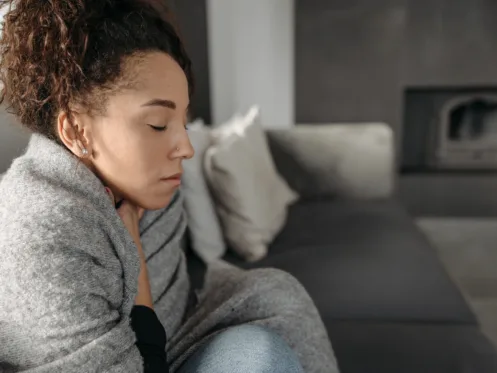
It’s a cold morning, the house feels off, and the vents are blowing cool air or nothing at all. A furnace that stops heating is stressful, and the cause is not always a major repair. Sometimes it is a thermostat setting, a tripped breaker, or a clogged filter that you can sort out in a few minutes.
This guide walks through the checks that are safe for a homeowner to do, what the symptoms usually point to, and when it is time to stop and call a technician. We wrote it for homeowners in the Chicago suburbs who want a clear next step instead of a guess.
Safety First: Stop and Call if You See These Signs
Before you check anything, look for these. If any of them apply, do not keep troubleshooting.
- You smell gas. Leave the house right away. From outside, call your gas utility or 911. Do not use light switches, phones, or anything that could spark inside the home.
- A carbon monoxide detector is sounding, or anyone in the home has headaches, dizziness, or nausea that eases when they leave the house. Get everyone outside and call 911. Carbon monoxide has no smell or color.
- You see scorch marks, smell burning plastic, or notice smoke around the furnace. Turn the furnace off at the switch or breaker if it is safe to reach, and call for service.
For everything else, the checks below are a reasonable place to start.
Five Quick Checks Before You Call
1. Check the thermostat
It sounds basic, and it is one of the most common causes. Confirm that:
- The thermostat is set to Heat, not Cool or Off.
- The temperature setting is a few degrees above the current room temperature.
- The display is on. If the screen is blank, replace the batteries.
- Any schedule or “hold” setting is not overriding what you want.
Give the system a few minutes to respond after any change. Most furnaces do not fire instantly.
2. Check the power
A furnace needs electricity to run its blower and controls, even when it burns gas.
- Look for a switch on or near the furnace that resembles a light switch. Make sure it is on. It is easy to bump by accident.
- Check your electrical panel for a tripped breaker for the furnace. If it has tripped, reset it once. If it trips again, leave it off and call.
- Make sure the furnace’s access panel is on and seated properly. Many furnaces have a safety switch that keeps them from running when the panel is loose.
3. Check the furnace filter
A dirty filter restricts airflow. The furnace can overheat and shut itself off for safety, so you get little or no heat. If you cannot remember the last time you changed it, check it now. Hold it up to the light. If you cannot see light through it, replace it. Our guide on why a cheap furnace filter could be your best option explains how to choose the right one and how often to check it.
4. Check the vents and returns
- Make sure supply vents and return grilles are open and not blocked by furniture, rugs, or curtains.
- Look at any outdoor intake or exhaust pipes on a high-efficiency furnace. Snow, ice, leaves, or a nest can block them, and the furnace may shut down as a result. Clear only what you can safely reach, and never reach into a pipe.
5. Look at the furnace itself
- Many furnaces have a small status light visible through a window in the access panel. A steady or blinking pattern is a code. Write down what you see. It helps a technician narrow down the problem before they arrive.
- If your furnace has a standing pilot light and it is out, follow the instructions printed on the furnace to relight it. Do not try this if you smell gas, and stop if it will not stay lit.
- Some high-efficiency furnaces drain water as they run. A blocked or frozen condensate line can cause a shutdown. If you see water around the furnace, call for service instead of working on the line yourself.
What Your Symptom Usually Points To
This is a general guide. A technician needs to confirm the actual cause.
| What you notice | Common causes | Try first | Call a technician if |
| Furnace does not turn on | Thermostat settings, power, tripped breaker, access panel, ignition or control problem | Thermostat, switch, breaker | The breaker trips again, or nothing responds |
| Blower runs but the air is cool | Ignition or pilot problem, gas supply issue, flame sensor, safety shutoff | Thermostat, filter, status light | The air stays cool after the checks |
| Heat comes on, then shuts off quickly | Dirty filter, restricted airflow, overheating, sensor issue | Replace the filter, open vents | It keeps cycling after the filter and vents are clear |
| Some rooms stay cold | Closed or blocked vents, airflow or ductwork problems | Open vents, check returns | Rooms stay cold with everything open |
| Loud banging, squealing, or grinding | Worn blower parts, loose panels, ignition delay | Make sure panels are secure | The noise continues, or you hear banging at startup |
| Burning smell on the first run | Dust burning off the heat exchanger after months of no use | Let it run briefly and air out the home | The smell is strong, lasts, or smells like gas |
When To Stop and Call a Technician
Stop troubleshooting and call if:
- The furnace still will not heat after the checks above
- The breaker trips more than once
- You see a status light code you cannot clear
- The furnace short cycles, turning on and off repeatedly
- You hear loud banging, squealing, or grinding
- Heat is uneven or weak and the filter and vents are clear
- You smell gas or have any carbon monoxide concern (leave the house and call 911 or your gas utility first)
Opening the furnace cabinet, adjusting gas components, or replacing electrical parts is work for a technician. The risk of getting it wrong is higher than the cost of a service call.
What Happens When You Call TR Miller
When you call, tell us what you checked and what you saw, including any status light pattern. That helps us arrive prepared. A TR Miller technician inspects the system, finds the cause, and explains what they found. We give you a price before approved work begins, and we will tell you if a repair is not the best use of your money. Our technicians carry common parts on their vehicles, so many repairs can be finished in one visit.
If a repair is not the right answer, we can talk through your options. Learn more about furnace repair and furnace installation and replacement.
Prevent a No-Heat Call Next Winter
Many no-heat problems are worn parts or buildup that a fall inspection can catch. A furnace tune-up typically includes checking the filter, thermostat, burners and ignition, heat exchanger, blower, venting, airflow, and safety controls, including a carbon monoxide check. Between visits, replace or clean your filter on the schedule your system calls for, and keep the area around the furnace clear.
Need a technician? Contact us or call (815) 912-0028 to schedule service.
Frequently Asked Questions: Furnace Not Heating
Why is my furnace running but not heating my house?
Common causes include a dirty filter, a thermostat setting, blocked vents, or an ignition or sensor problem. Check the thermostat and filter first. If the air stays cool, call a technician.
Why is my furnace blowing cold air?
The blower can run even when the burners are not lit. This can come from an ignition or pilot problem, a gas supply issue, a safety shutoff, or a dirty flame sensor. Check that the thermostat is set to heat and the filter is clean, then call for service if the air stays cool.
What should I check first if my furnace will not turn on?
Start with the thermostat setting and batteries, then the furnace power switch, the breaker, and the access panel. If none of these fixes it, call a technician.
Why does my furnace keep shutting off?
A dirty filter or blocked vents can cause the furnace to overheat and shut itself off for safety. Replace the filter and open all vents. If it keeps cycling, a technician should look at the system.
Is it safe to relight my pilot light?
Only if your furnace has a standing pilot, you do not smell gas, and you follow the instructions printed on the furnace. If you smell gas, leave the house and call your gas utility or 911. If the pilot will not stay lit, call a technician.
What should I do if I smell gas from my furnace?
Leave the house right away. From outside, call your gas utility or 911. Do not use light switches or anything that could spark inside the home.
When should I call a technician instead of troubleshooting?
Call when the basic checks do not restore heat, the breaker trips again, the furnace short cycles, you hear loud banging or grinding, or you have any gas or carbon monoxide concern.
Author